
Underwater Photographer: Capturing the Beauty of the Deep
Underwater photography is a unique and captivating art form that allows photographers to capture the mysteries and wonders of the ocean. It combines technical skill, creativity, and a deep love for the marine world. Whether it’s snapping photos of vibrant coral reefs, mysterious shipwrecks, or elusive marine creatures, underwater photography opens up a whole new realm of exploration.
1. The Art of Underwater Photography
At its core, underwater photography is about more than just taking pictures; it’s about capturing the life and essence of the underwater world. The challenge of shooting in a submerged environment requires not only an understanding of camera settings but also a sense of timing, patience, and creativity. The key to successful underwater photography lies in the ability to work with natural light, understanding the movement of water, and knowing how to compose a shot while swimming alongside marine life.
2. Essential Equipment for Underwater Photographers
To get started, an underwater photographer needs specialized equipment designed for the challenges of the underwater environment. Key tools include:
-
Waterproof Camera Housing: Most professional DSLR and mirrorless cameras can be used underwater when placed in a waterproof housing, which protects the camera from water damage.
-
Underwater Strobe or Flash: Since natural light decreases with depth, adding external lighting like strobes or flashes can illuminate the subject and bring out vibrant colors.
-
Wide-Angle Lens: A wide-angle lens is perfect for capturing vast landscapes such as coral reefs, shipwrecks, or schools of fish.
-
Macro Lens: To capture the intricate details of small marine creatures, a macro lens is ideal for photographing subjects like seahorses, starfish, or nudibranchs.
3. The Challenges of Underwater Photography
Taking photos underwater comes with its own set of challenges, from limited light to water currents and the need for buoyancy control. Underwater environments can distort light and create hazy or unclear images. As such, knowing how to adjust your camera settings is critical—using higher ISO for darker conditions, adjusting white balance to correct the blue or green hues, and understanding the effects of water clarity.
Moreover, underwater photographers must deal with the physical aspects of diving, such as managing buoyancy, avoiding disturbing marine life, and dealing with the pressure of being submerged. It’s essential to have diving experience and practice to ensure safety while shooting in these environments.
4. The Beauty of Marine Life Through the Lens
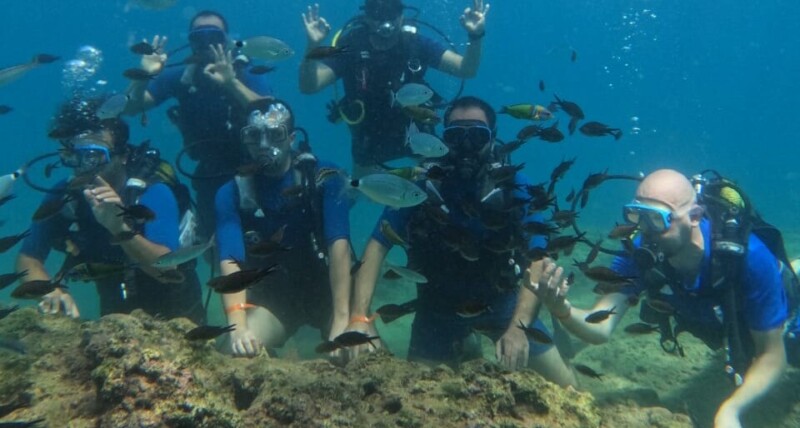
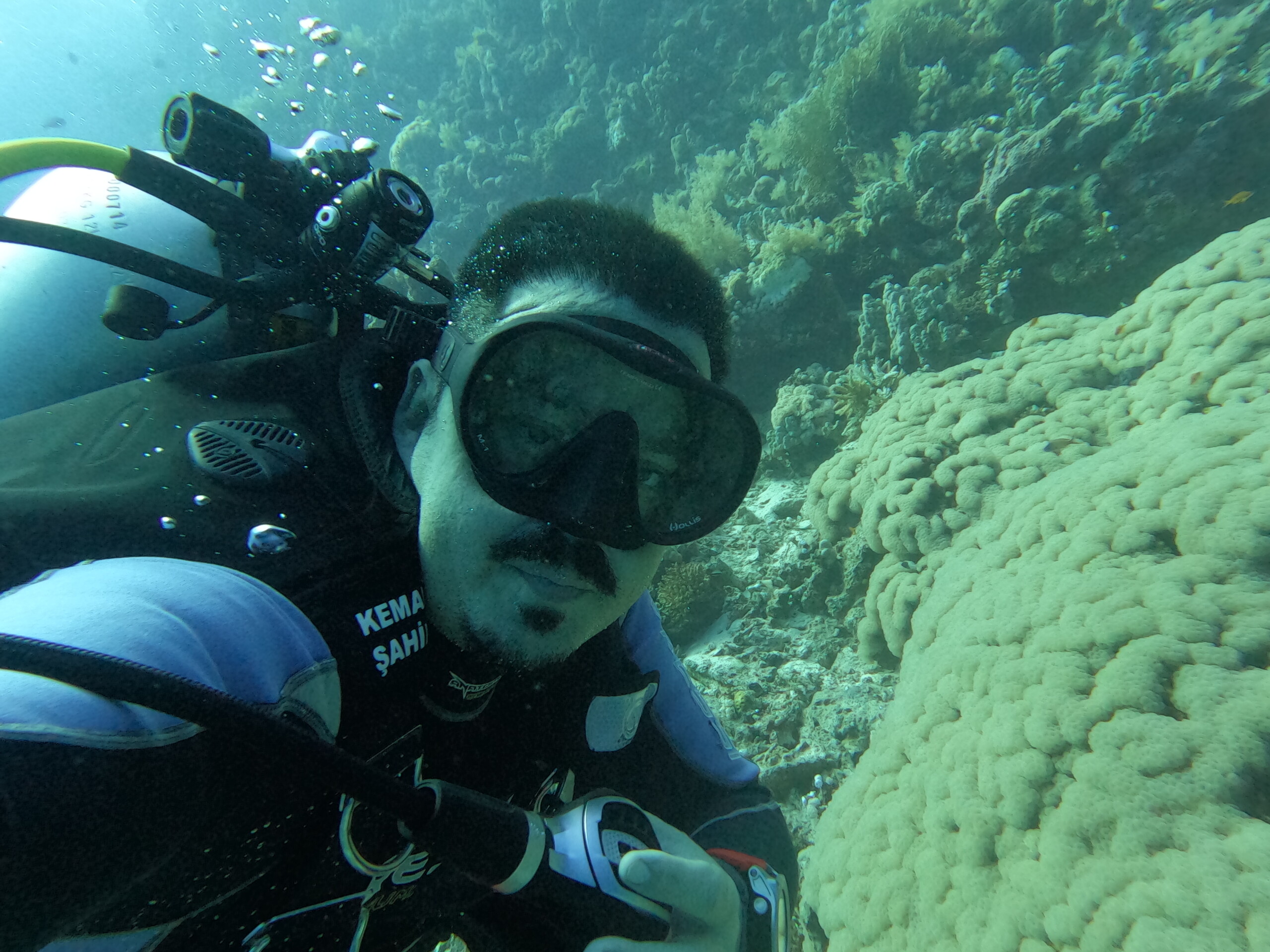
One of the most rewarding aspects of underwater photography is the opportunity to capture the stunning beauty of marine life. From majestic whales to tiny, colorful fish, every dive offers a new opportunity to photograph unique species. The vibrant coral reefs, the mysterious silence of underwater caves, and the tranquility of sunken ships all provide incredible backdrops for creating unforgettable images. Whether documenting the vast biodiversity of the ocean or focusing on specific creatures, underwater photographers often become advocates for marine conservation by showcasing the fragility and wonder of these ecosystems.
5. Inspiration from Famous Underwater Photographers
Many renowned underwater photographers have inspired a new generation of photographers to explore this fascinating field. Names like David Doubilet, a photographer for National Geographic, and Terry Goss, who captures the vibrancy of marine life, have pushed the boundaries of underwater photography with their striking and thought-provoking images. These photographers not only capture beautiful images but also use their work to raise awareness about ocean conservation and the importance of protecting marine ecosystems.
6. The Future of Underwater Photography
With the advancement of technology, underwater photography continues to evolve. Newer camera models, lighter and more durable housing, and the development of drone technology are changing the way underwater photos are captured. The rise of virtual reality and 360-degree cameras is also allowing photographers to create immersive underwater experiences. As the tools and techniques improve, the potential for storytelling through underwater photography is limitless.
Conclusion
Underwater photography is a challenging yet rewarding field that brings the ocean’s beauty to the surface. It requires technical knowledge, a passion for marine life, and an appreciation for the natural world. Through the lens of an underwater photographer, we get a glimpse into the hidden depths of our planet, where extraordinary creatures and ecosystems thrive. Whether you’re a beginner looking to start your underwater photography journey or an experienced pro capturing the unseen world, there’s always something new and breathtaking waiting to be discovered beneath the waves.
Have you ever tried underwater photography? What inspires you about the ocean and marine life? Share your thoughts and experiences in the comments!