
Diving is an exhilarating adventure that allows you to explore the mysteries of the underwater world. However, for beginners, it is essential to be well-prepared to ensure a safe and enjoyable experience. Before taking the plunge, here are some important factors to consider.
1. Get Certified
Before embarking on your first dive, you must complete a certification course from a recognized diving organization like SSI, These courses provide essential theoretical knowledge and practical training to ensure you understand the fundamentals of diving, safety measures, and equipment usage.
2. Understand Basic Diving Equipment
Familiarizing yourself with diving gear is crucial for a comfortable dive. Key equipment includes:
- Mask & Snorkel: Allows clear underwater vision and surface breathing.
- Wetsuit or Drysuit: Provides thermal protection depending on water temperature.
- Buoyancy Control Device (BCD): Helps regulate your floating, sinking, and neutral buoyancy.
- Scuba Tank & Regulator: Supplies breathable air while diving.
- Fins: Enhances mobility and reduces energy consumption.
- Dive Computer: Tracks depth, time, and decompression status to prevent accidents.
3. Know Your Physical and Mental Readiness
Diving requires a certain level of physical fitness and mental confidence. Ensure you are in good health and free from conditions such as asthma, heart disease, or ear infections that may affect your ability to dive. If unsure, consult a physician before diving.
Additionally, mental preparedness is vital. Anxiety and panic underwater can lead to dangerous situations. Always remain calm and practice controlled breathing techniques to manage stress.
4. Learn Diving Safety Rules
Adhering to safety protocols is essential for an incident-free dive. Follow these key guidelines:
- Always Dive with a Buddy: Never dive alone; a partner can assist in emergencies.
- Check Equipment Before Each Dive: Ensure all gear is functioning properly.
- Monitor Your Air Supply: Regularly check your air levels to avoid running out unexpectedly.
- Ascend Slowly: Rising too fast can cause decompression sickness, also known as “the bends.”
- Equalize Your Ears: Prevent ear barotrauma by equalizing the pressure as you descend.
5. Choose the Right Dive Location
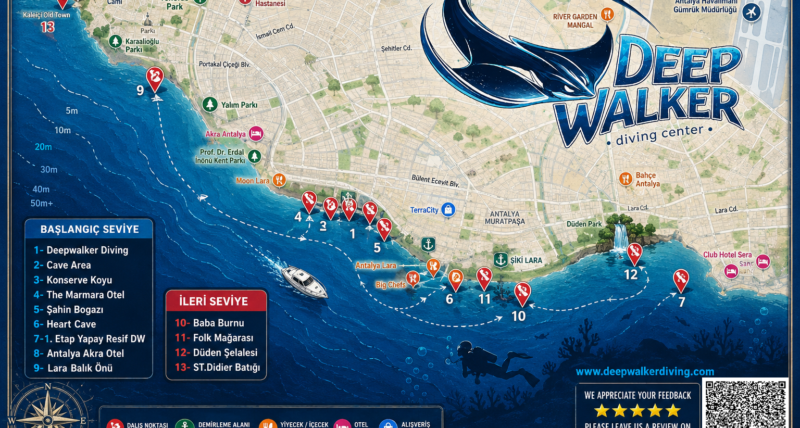
Beginners should start in calm, shallow waters before progressing to deeper and more challenging dive sites. Ideal beginner dive locations have gentle currents, good visibility, and minimal obstacles. Consult your instructor or dive center for recommendations on beginner-friendly spots.
6. Respect Marine Life and the Environment
As a diver, it’s crucial to follow responsible diving practices to protect marine ecosystems:
- Avoid Touching Marine Creatures: Some species may be fragile or even dangerous.
- Do Not Disturb Coral Reefs: Corals are delicate and take years to grow.
- Follow No-Trash Policies: Never leave behind waste that could harm ocean life.
- Use Reef-Safe Sunscreen: Prevent toxic chemicals from polluting the water.
Conclusion
Diving is a thrilling and rewarding experience, but preparation is key to a successful and safe journey underwater. By getting certified, learning about equipment, following safety guidelines, and respecting the ocean, you’ll be well on your way to becoming a confident diver. Now, take a deep breath and dive into an amazing new world!
Are you ready to begin your diving journey? Share your thoughts and experiences in the comments!